Mini-ITX
TOP800B
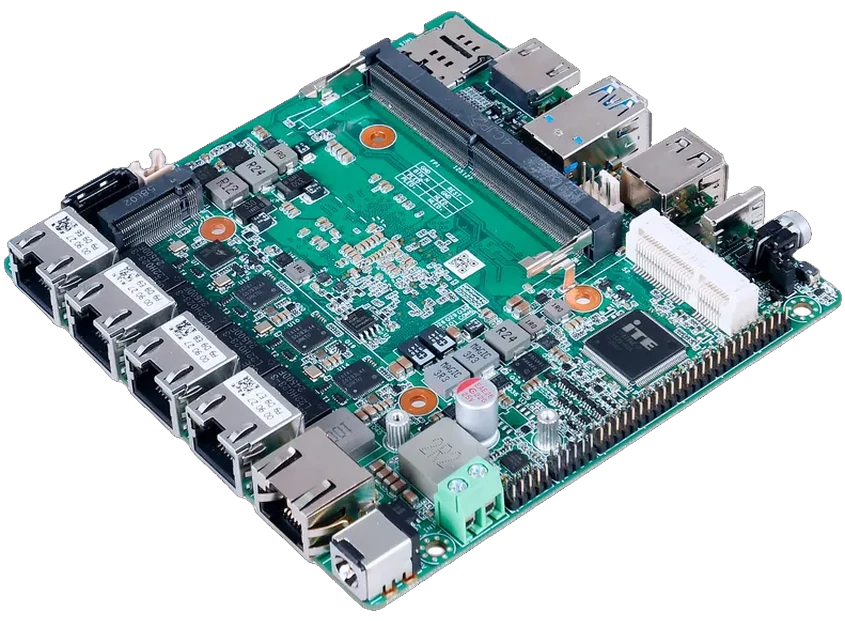
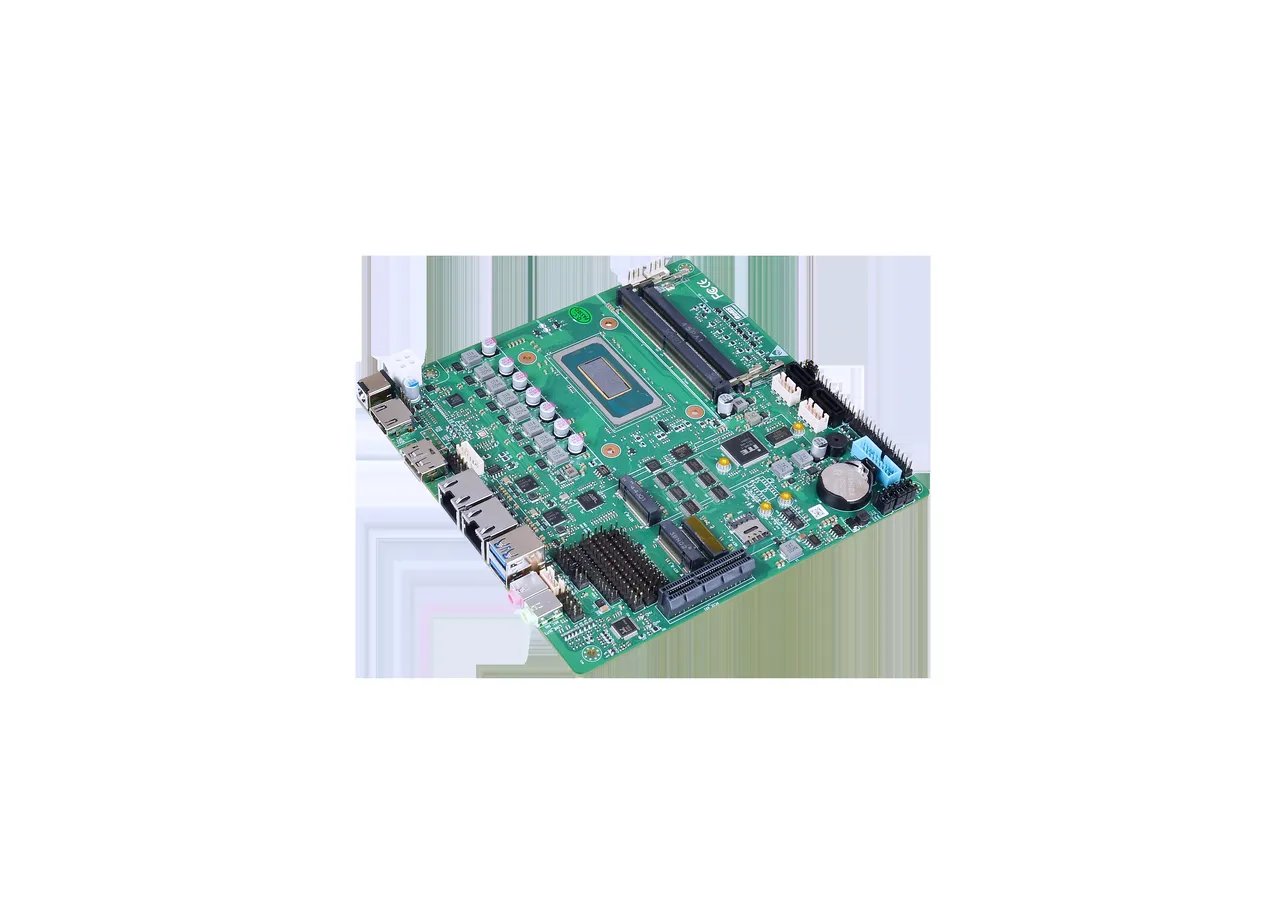
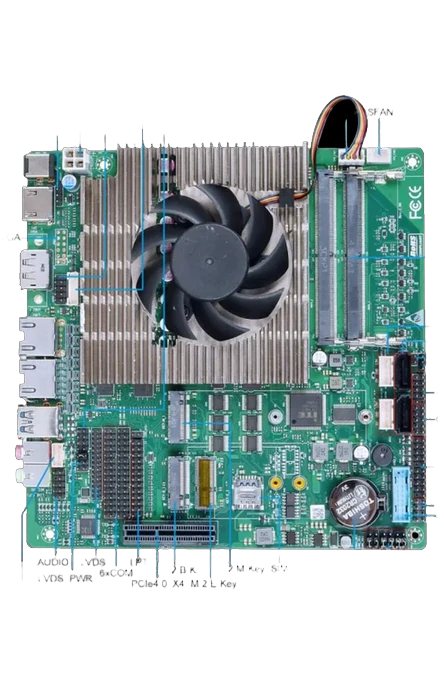
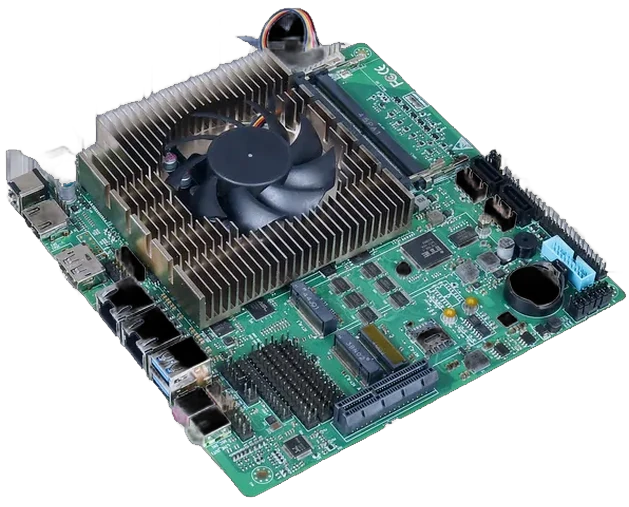
Four display paths, Core Ultra at 28 W and M.2 B/E. A base for signage and kiosk projects. The display edge is already dense.

Capability / OEM and ODM
BIOS and boot logo, I/O pinout and protection, heatsink and enclosure, packaging and silkscreen. A sample before production.
Manufacturing is by Piesia. Customization scope and sample terms are confirmed per project; MOQ and lead time are open items, not published commitments.
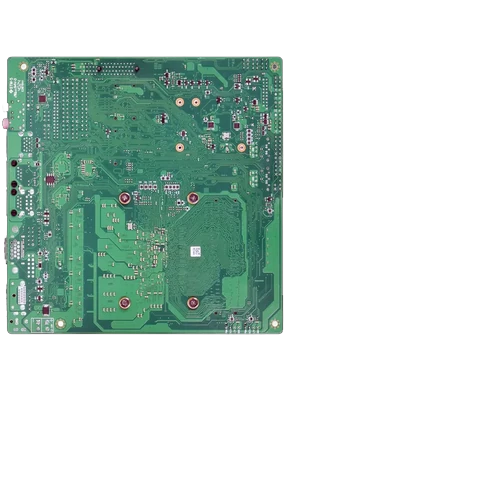
The change surface / five layers
The further a change moves from software, the more tooling it touches. The first review is always the change list.
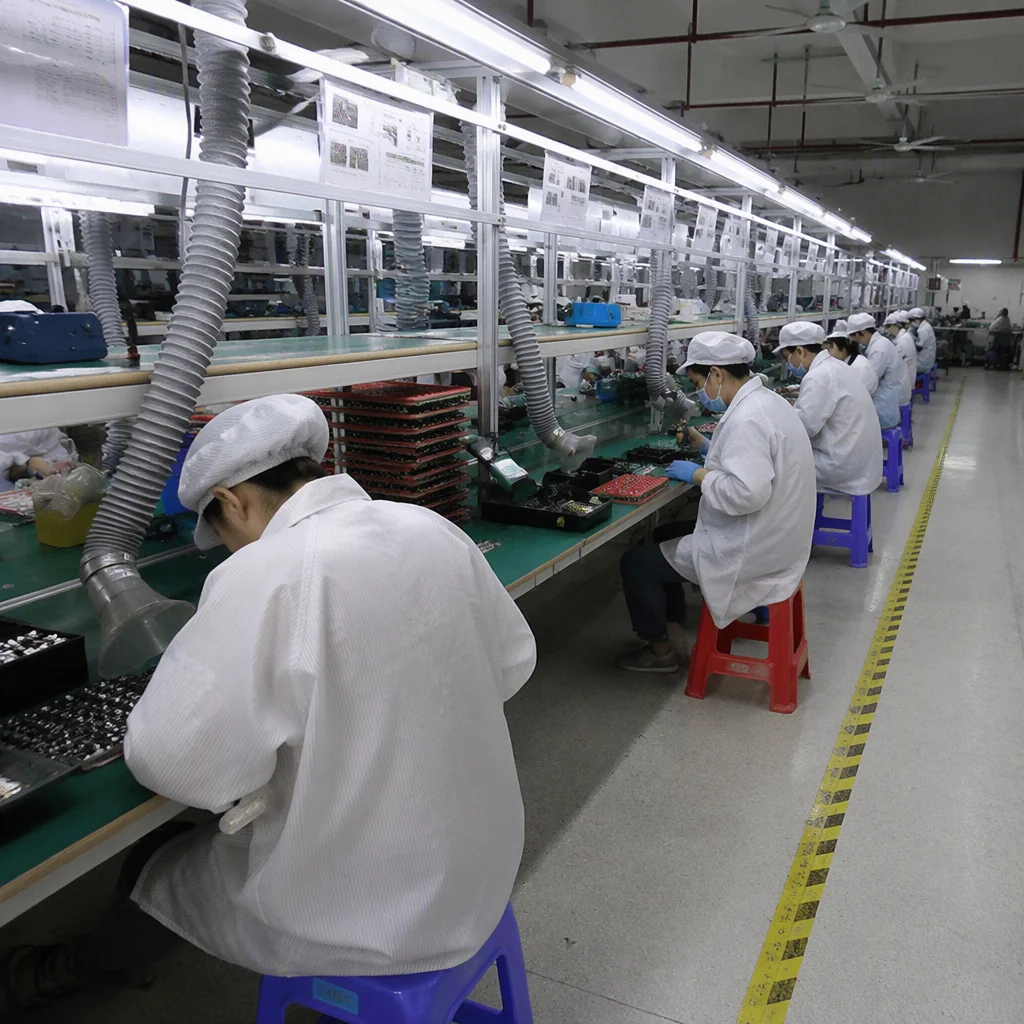
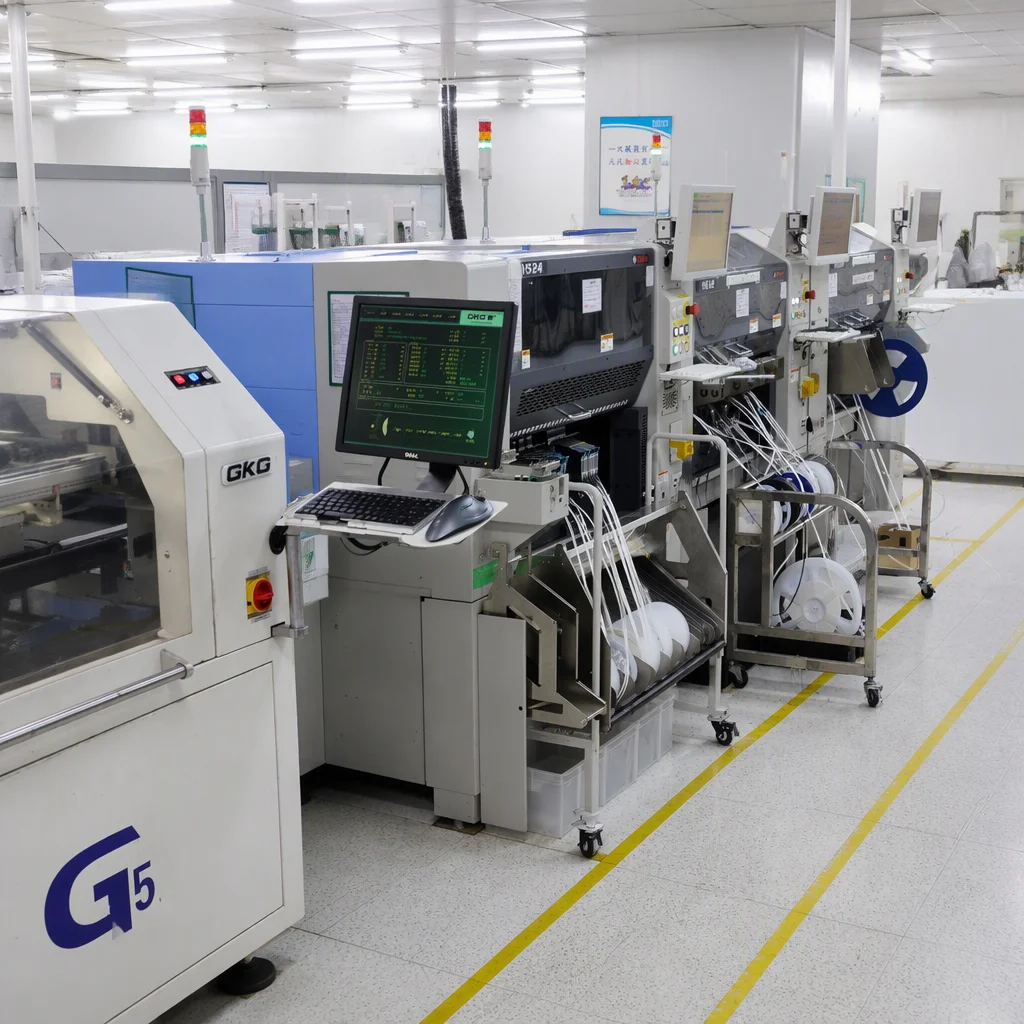
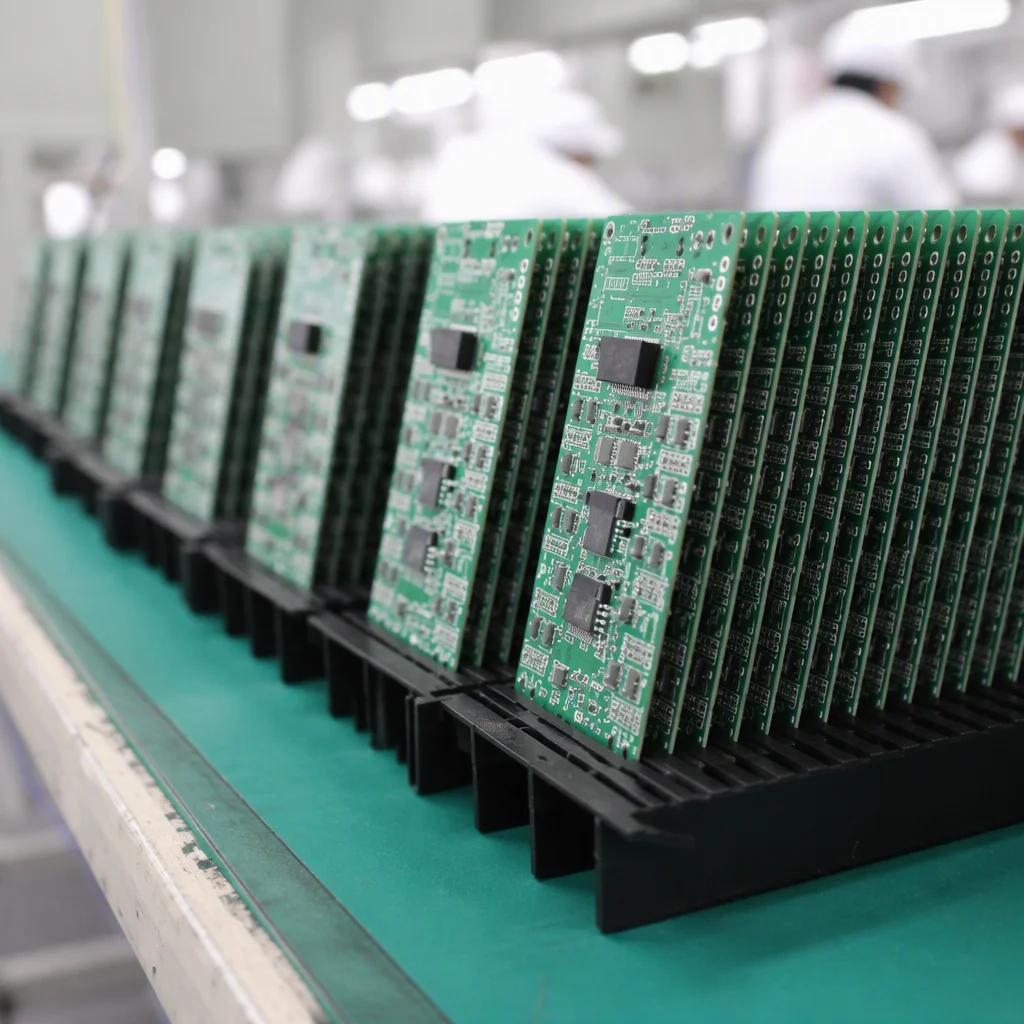
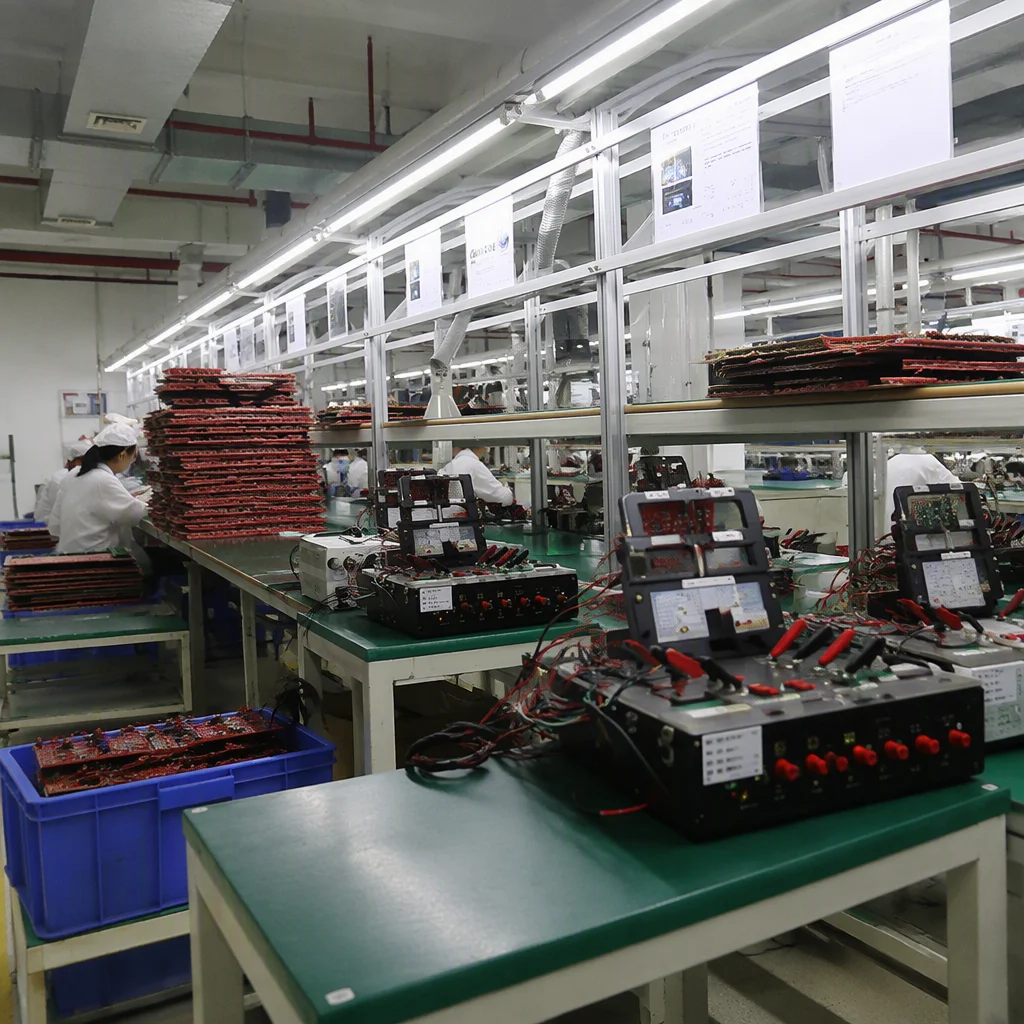
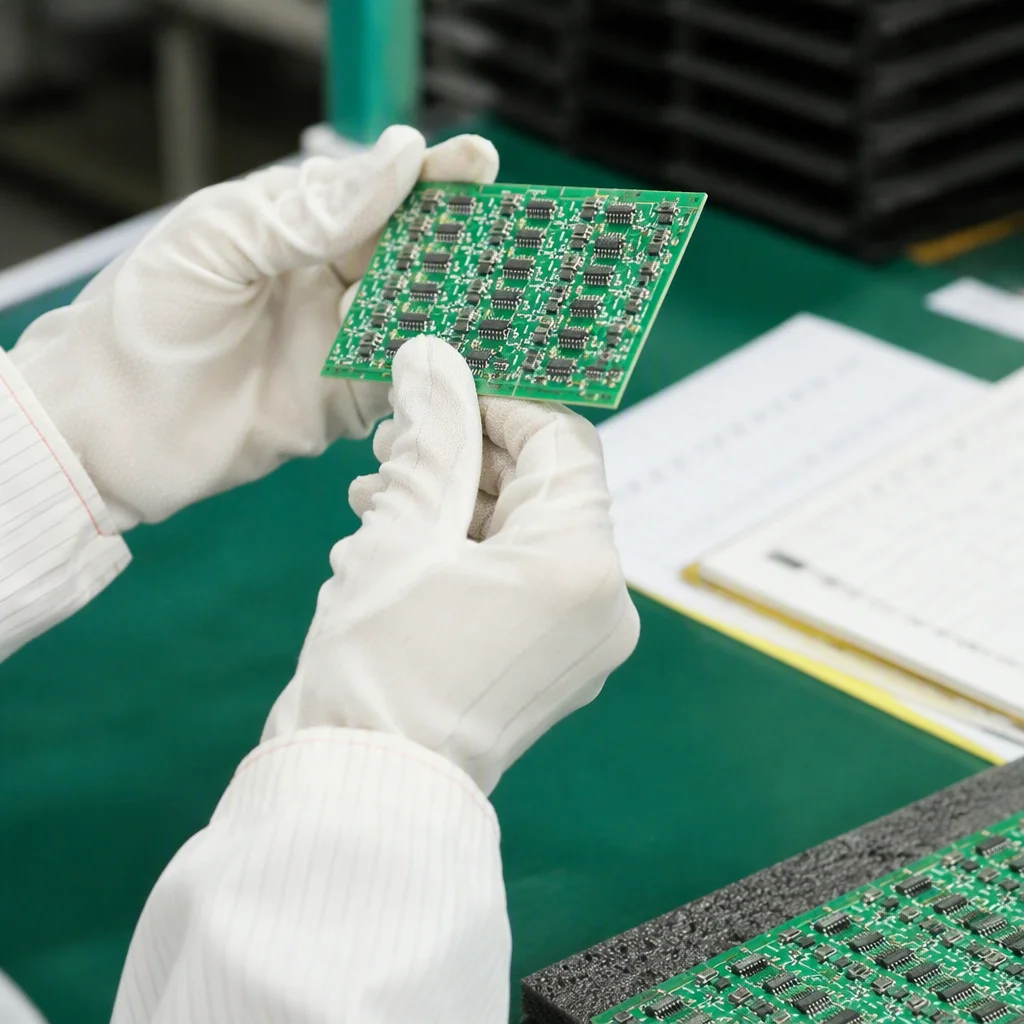
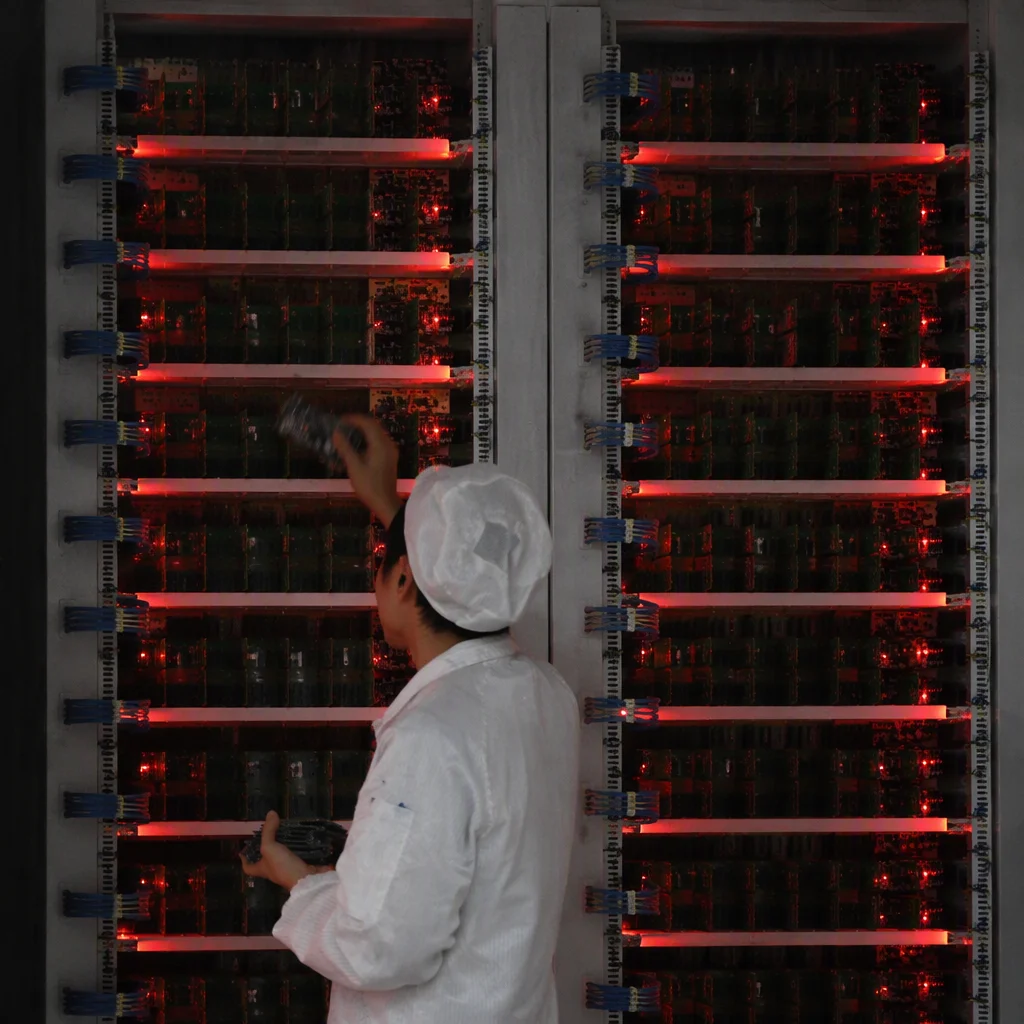
Sample to production / six steps
The sequence is fixed; the duration is scoped per project. No step is skipped for a repeat order. Deliverables are a sample record, change list and released configuration, confirmed per project.
Model, enclosure, change list and target date.
Thermal, connector and DFM check before a sample is built.
First article with the agreed changes.
Fit, function and document check against the request.
A small run to confirm the process.
Repeat runs against the released configuration.
Change matrix / routine or tooling
| Change | Class | Review or tooling | MOQ impact |
|---|---|---|---|
| BIOS and boot logo | Software | Build and release check | Open |
| I/O pinout and protection | Review | Schematic and EMC review | Open |
| Heatsink and enclosure | Tooling | Thermal review and new tooling | Tooling-dependent |
| Packaging and silkscreen | Print setup | Artwork proof and print plates | Open |
| Any change request | Open | Scope confirmed at quotation | Confirmed with your quote |
The class sets the review path, not the price. A tooling change moves the sample date; a BIOS change does not. MOQ is confirmed at quotation.
Customization bases / three models
Each base leaves a different part of the envelope open.
Four display paths, Core Ultra at 28 W and M.2 B/E. A base for signage and kiosk projects. The display edge is already dense.
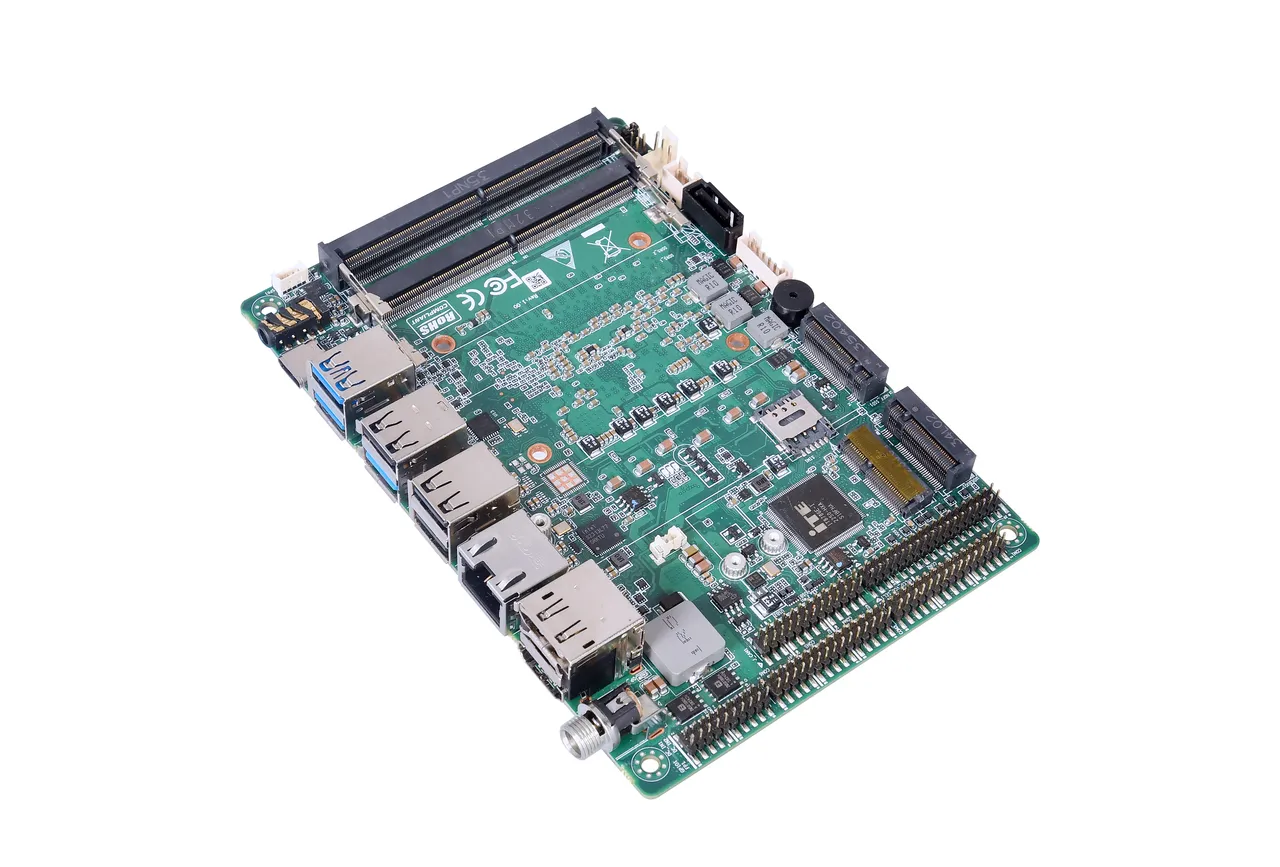
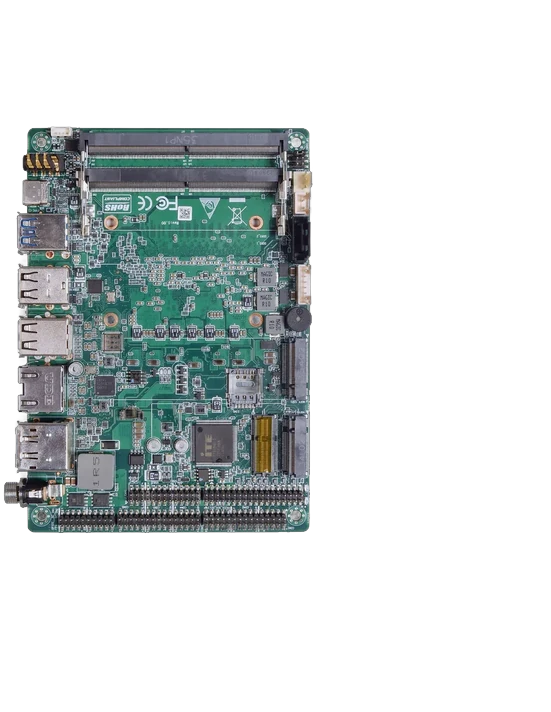
9–36 V, CAN and six COM headers. A base for vehicle, energy and panel-PC projects. The wide input suits cabinet power.

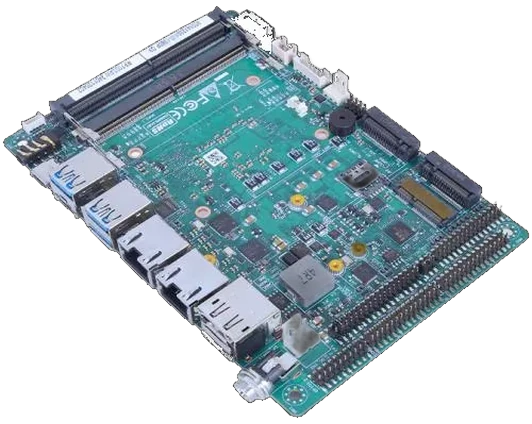
Two CAN headers, M.2 B-Key and 9–36 V. A base for gateway and machine-control projects. The 3.5-inch outline suits compact gateway enclosures.
Piesia scale / supplier evidence
Scale from supplier documentation. Lifecycle and availability are industry norms, not a model-specific commitment. The numbers describe the partner's line, not a project schedule.
Before the sample
MOQ is confirmed per project. It depends on the change class and the tooling; it is not a published number. Tooling-dependent changes usually move it.
Customization scope, tooling ownership and exclusivity are confirmed in the quotation. The board design base remains the Piesia platform.
Sample timing is confirmed after the engineering review. No fixed turnaround is published until the scope is agreed. A software-only change is shorter than a new enclosure.
OEM and ODM / scoped inquiry
Model, enclosure and changes. Include the intended enclosure. Quote within 24–48 h; open terms confirmed at quotation.
Customization scope and sample terms are confirmed per project; MOQ and lead time are open items.
 Illustrative scene